Are data centers a threat to freshwater fisheries?
Energy and water demands from AI infrastructure affect waterways and habitats.
Research Need
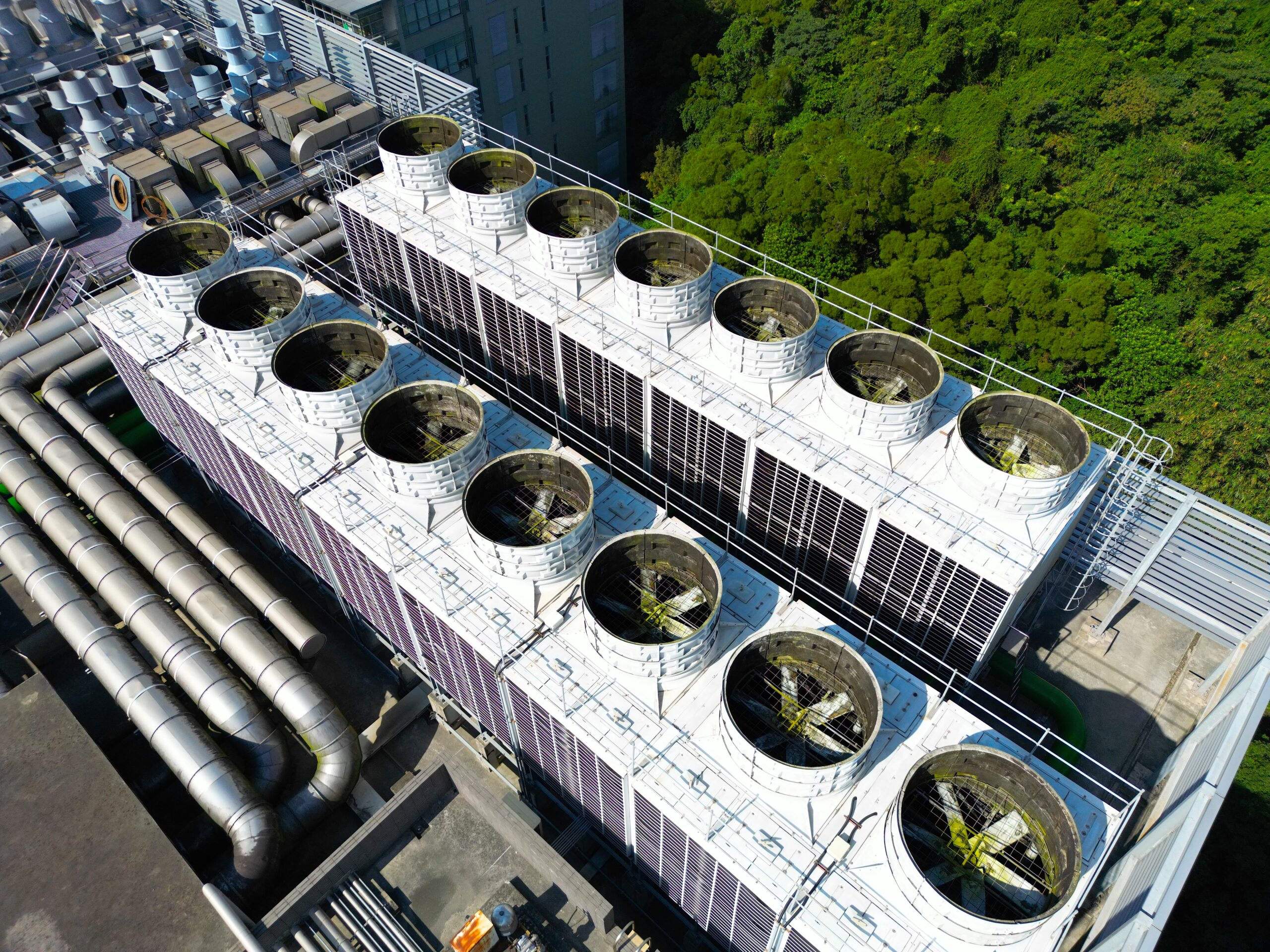
Data centers are large, climate-controlled warehouses of computing infrastructure that support artificial intelligence (AI) and other computer-related business operations. While data centers have been around for decades, new data centers built to meet the needs of AI infrastructure require significant energy and water, in part to power and cool the electronic components. The boom in AI has caused a renewed focus on the demands and environmental impact of all data centers.
There are currently 4,287 data centers across the U.S., with 93 located in North Carolina. Our neighbor to the north, Virginia, has 603 data centers, the most in the country.
As more data centers come online, U.S. energy use by these facilities is expected to increase from 4.4% in 2023 to 7% to 12% by 2028.
Energy to power and cool data centers often comes from thermoelectric power plants that convert heat to energy (via coal, natural gas, or oil burning) or hydropower facilities that rely on dams or restrictive channels. Both types of plants can impact freshwater systems directly and indirectly by reducing, restricting, and otherwise altering water in the environment.
So, how will this impact freshwater fisheries?
To prepare for a future with more data centers, this study assessed the potential risks data centers pose for freshwater biodiversity — including risks to fish, mussels, and other biota.

What did they study?
University of Tennessee researchers reviewed multiple case studies and nationwide datasets to create a framework that assessed risks of growing numbers of data centers on freshwater habitats and species.
Their work examined both the direct water use for cooling data centers and the indirect impacts associated with electricity generation. Specifically, they examined previously published data on water scarcity to identify regions where water demand from data centers overlaps with freshwater hotspots for biodiversity. They also reviewed proposals to add electricity-generating capacity to currently non-powered dams.
What did they find?
In portions of the eastern United States, areas with high numbers of freshwater species overlapped with areas of relatively high water scarcity associated with data centers. These regions support diverse fish and mussel communities, as well as larger populations of people. Of note, data centers in coastal regions pose a greater threat to migratory fish due to expected changes in water flow and temperature.
In addition, potential impacts from data centers on freshwater habitats depend on when the electricity is generated. For example, data centers can draw more power during summer when cooling demands are higher, and overnight operation can lead to prolonged heating of freshwater habitats.
Further, increased warming of freshwater systems can come directly from the cooling of servers and indirectly from the cooling of electricity generators. These temperature shifts may interact with some freshwater species at sensitive stages, such as spawning migrations and larval development. Additionally, hydropower could cut off access for spawning and migratory fish with the addition of dams or the use of decommissioned dams.
What else did they find?
The researchers outlined several strategies that could help reduce impacts on freshwater ecosystems. Strategies include improving cooling efficiency, increasing use of recycled or non-potable water, screening water intakes to reduce accidental fish capture, incorporating environmental flow and temperature considerations into hydropower operations, and siting facilities in areas with lower water stress.
So what?
As demand increases for artificial intelligence, cloud computing, and digital services, data centers are becoming a larger part of the nation’s energy and water infrastructure. Choices about where and how data centers operate could increasingly shape the future of our rivers and freshwater fisheries.
Reading
Jager, H., Yoon, H.S., Data centers: an emerging threat to freshwater biodiversity in the United States. Water Biology and Security, 100585. https://doi.org/10.1016/j.watbs.2026.100585
Kate Fuller is a science communication intern at UNCW for North Carolina Sea Grant. She holds an MS in chemical oceanography and an MS in coastal and ocean policy.
Lead photo: adobestock.
The text from Hook, Line & Science is available to reprint and republish at no cost with this attribution: Hook, Line & Science, courtesy of Scott Baker and Sara Mirabilio, North Carolina Sea Grant.
- Categories: