Ten years of charter fishing trips reveals the one factor that trumps all others.
Research Need
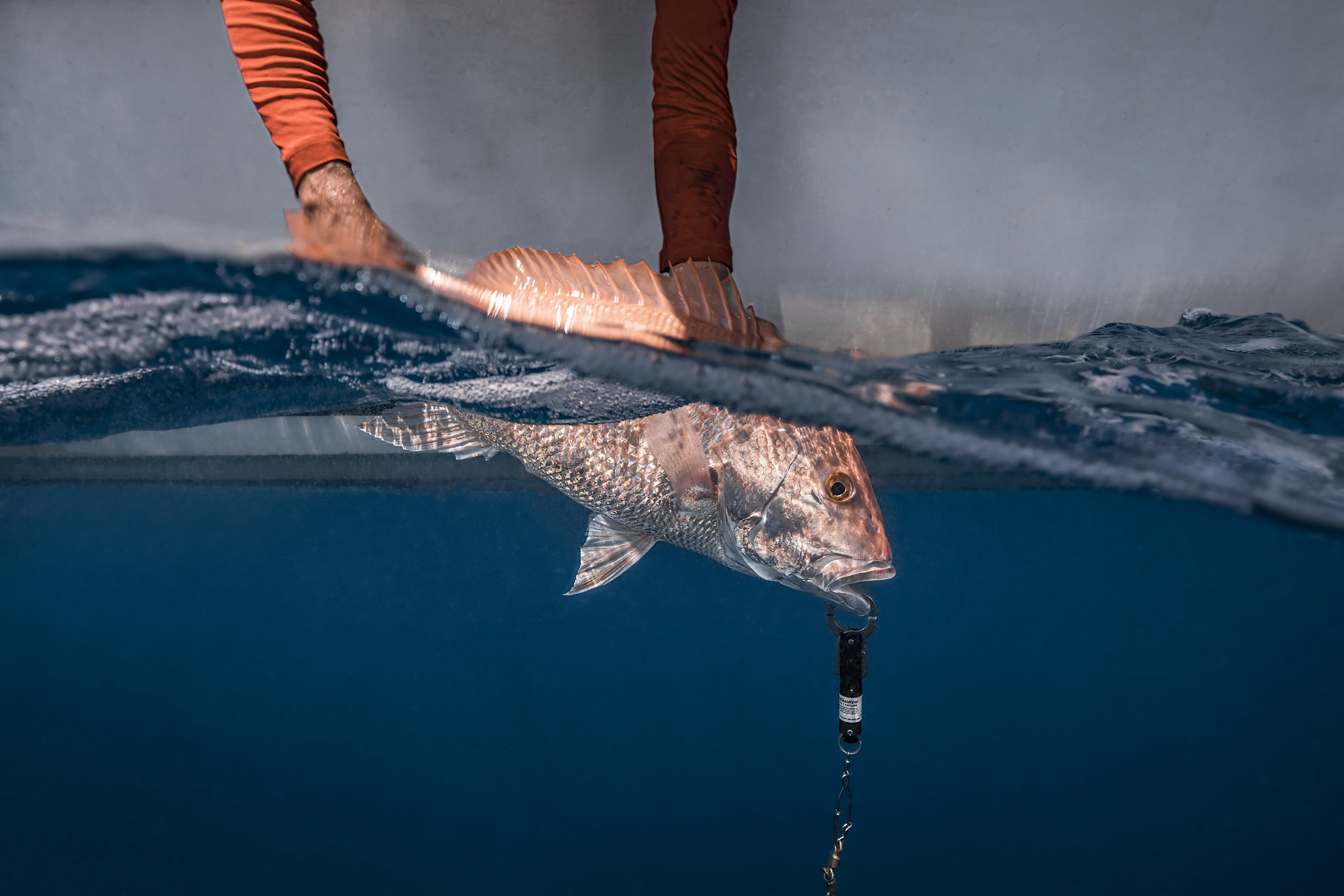
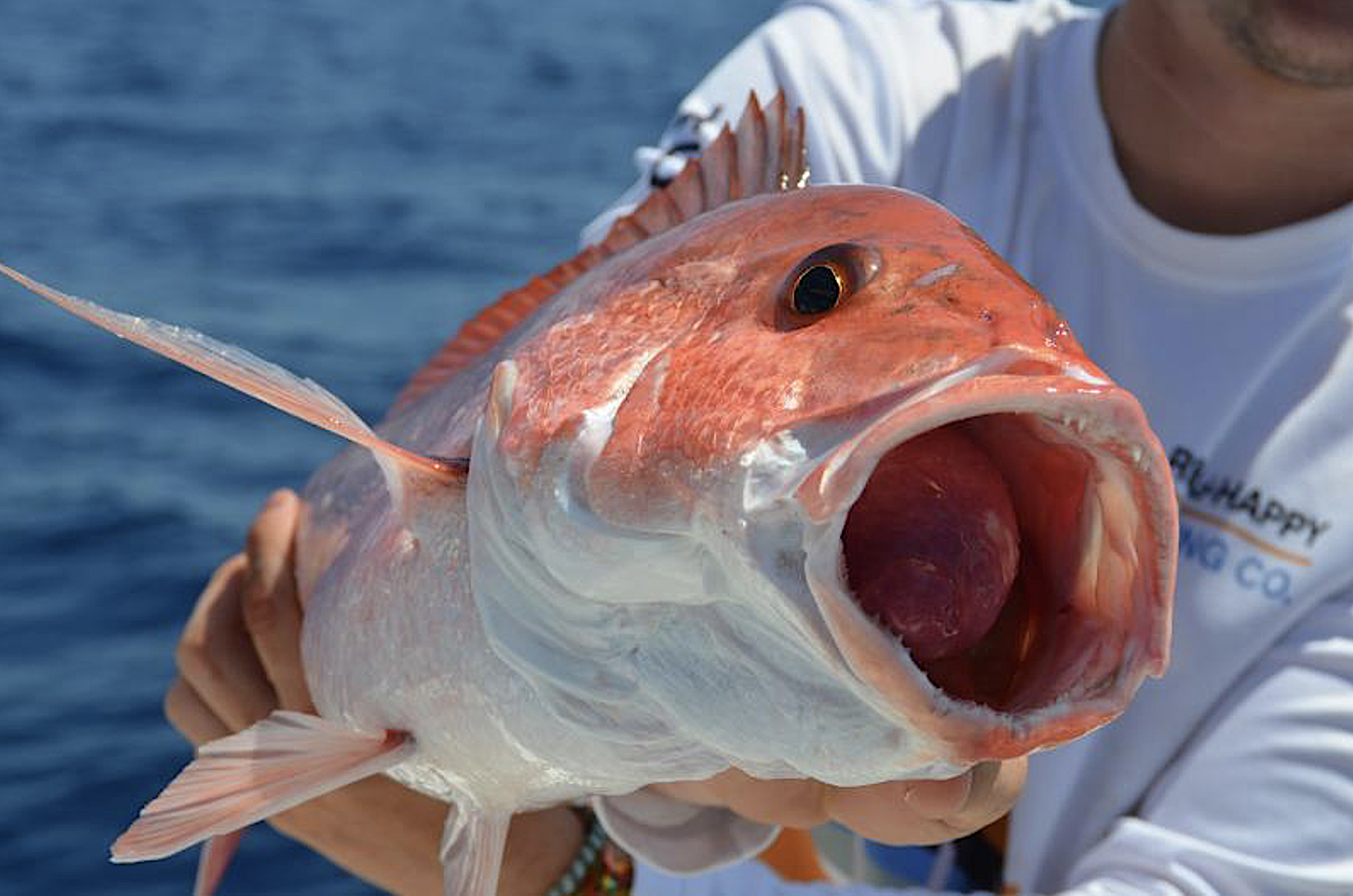
Every year, anglers release reef fish, but some don’t survive the process. One of the biggest challenges is pressure change. When fish are brought up from deep water, the rapid drop in pressure can cause internal injuries, similar to how divers can get “the bends” if they surface too quickly.
At the same time, anglers now have the potential to target fish in deeper waters than they could previously, in part due to availability of better boats, motors, and electronics. Ocean temperatures are also gradually warming. Both trends can increase the stress on fish during and after capture.
So, is depth or temperature a bigger factor in whether fish survive after release?
What Did They Study?
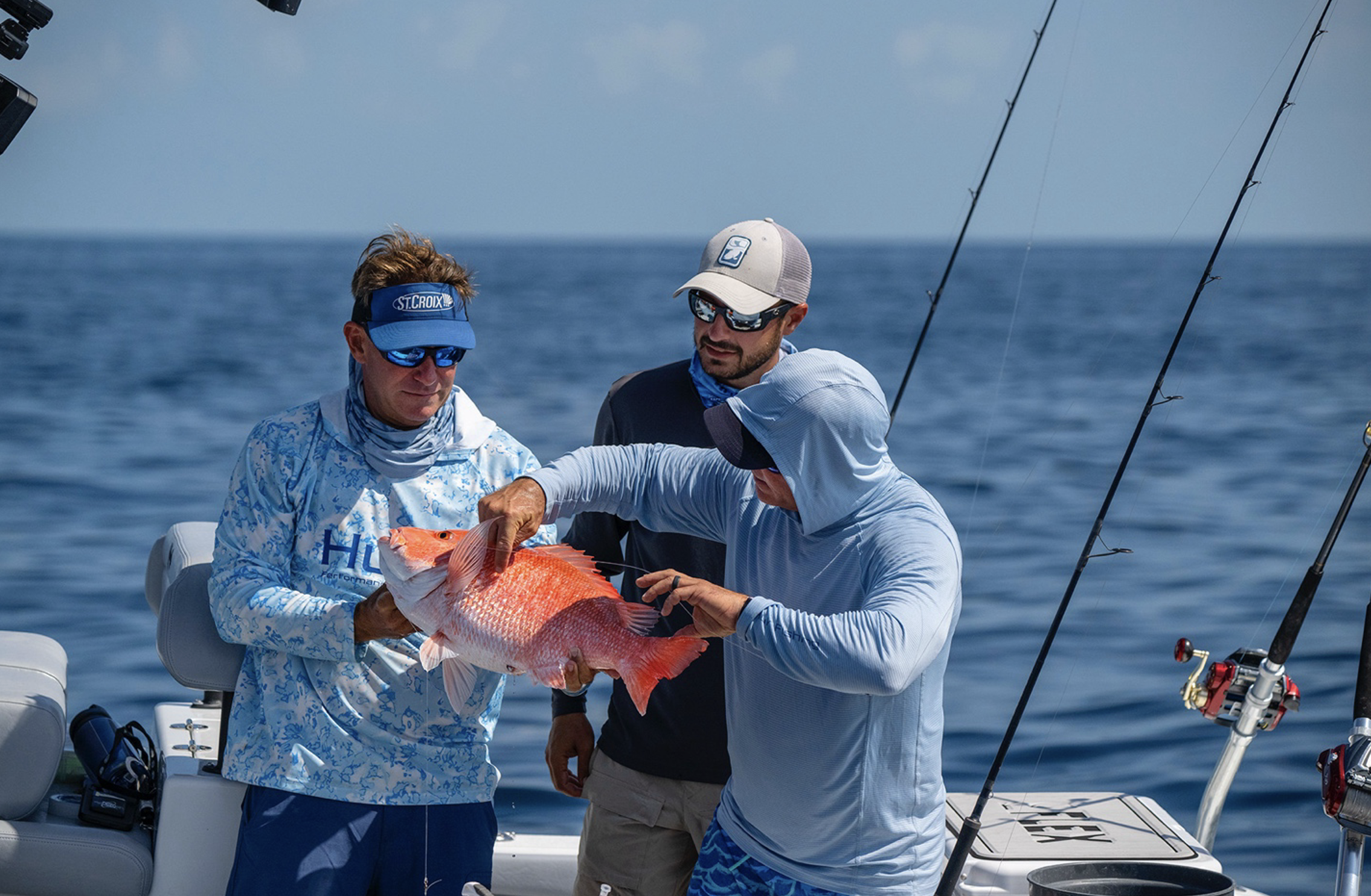
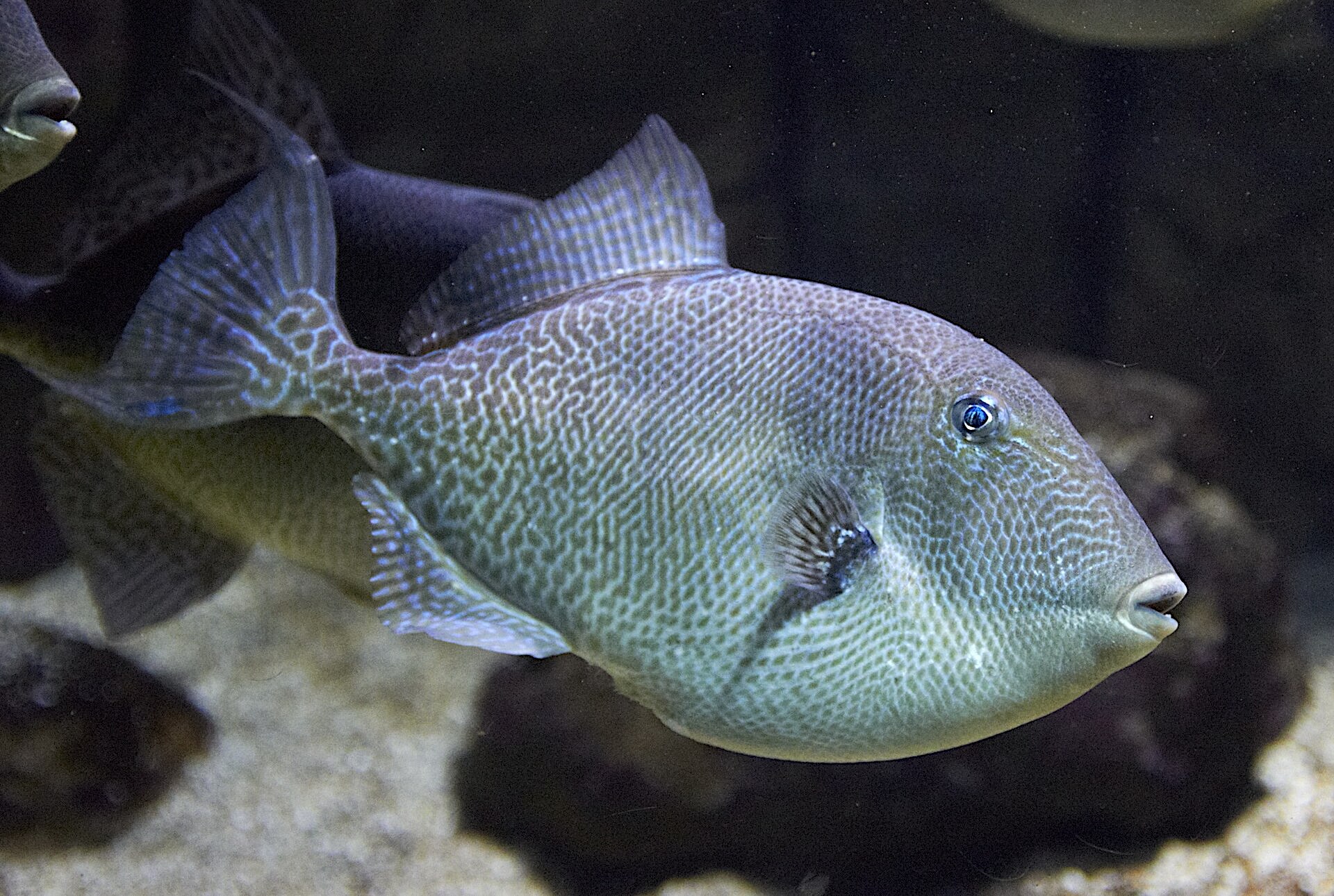
Researchers focused on five common reef fish along Florida’s Gulf Coast: red snapper, red grouper, gag, greater amberjack, and gray triggerfish. The research team used data from trained observers who joined charter fishing trips and recorded what happened when anglers caught and released fish thousands of times from 2015 to 2024.
For each fish, observers recorded the depth of the fishing location, sea surface temperature, fish size, and location of the hook. They also noted whether the fish showed signs of pressure-related injury and whether it swam back down after release. Based on these observations, the team grouped the fish by condition: good, fair, or poor.
It’s important to note that this study focused on depth and water temperature, not on the effectiveness of venting or descending devices. Anglers tend to use those tools on fish from deeper waters or on fish already showing signs of barotrauma, which makes it difficult to tell whether differences in the condition of fish before release are due to the tool, the depth, or the surface temperature. At any rate, anglers in this study used descending devices in less than 1% of the releases, leaving too few cases to evaluate.
What Did They Find?
Depth stood out as the most important factor affecting how fish did after release. Across all five species, fish caught in deeper water were more likely to be in worse condition. In fact, for every species in the study, increases in depth had a stronger impact on post-release condition than similar increases in temperature.
But temperature also played a role. Warmer surface water was linked to worse outcomes for gray triggerfish, red grouper, and red snapper, but did not have a clear effect on gag or greater amberjack.
What Else Did They Find?
Other factors also influenced how fish handled catch and release.
Larger fish of some species were more likely to be in worse condition, likely because they fight longer and experience more stress. Fish hooked in sensitive areas like the gut or gills also tended to have poorer outcomes than those hooked in the mouth.
The study also looked at changes over time. By 2024, in the study area off Florida, charter anglers were fishing deeper than in 2015, often by 16 to 32 feet. Surface water temperatures also increased slightly, generally by 0.5◦F to 1.5◦F.
Over the same period, released fish were more likely to be in worse condition for most species. Charter fishers had gradually moved offshore, in part because of the depletion of reef fish closer to shore.
Season mattered as well. For several species, the highest risk of poor condition after release occurred during the warmer months, especially from June through September.
So What?
This study shows that where and when you fish can make a real difference in whether released fish survive. Fishing in deeper water increases the risk of pressure-related injuries, and warmer temperatures can add additional stress for some species.
For fisheries managers, these results suggest that adjusting fishing seasons or considering depth-related guidelines could help reduce post-release mortality.
For anglers, the study highlights the importance of being aware of depth, temperature, and handling practices when releasing fish.
Most importantly, we know from previous research that when fishing for reef fish in the South Atlantic, anglers should be rigged and ready with a descending device for recompressing their fish after release.
Reading
Hyman, A. C., Cortes, J., Wilms, S., Eguia, L., & Frazer, T. K. (2026). Depth and sea surface temperature drive post-release condition of reef-associated fishes. Fisheries Research, 296, 107700. https://doi.org/10.1016/j.fishres.2026.107700
Funding was provided in part, by the Ocean Conservancy, USA [grant number 2500189000], the Florida Fish and Wildlife Research Institute, USA, and the University of South Florida, USA. Funding for the expanded sampling and inclusion of the barotrauma index from 2022 onward was provided by the Gulf States Marine Fisheries Commission, USA as part of the Return ’Em Right Program [grant number NA20NMF4630141].
Lead photo: Gray Triggerfish by Max Ryanzanov.
The text from Hook, Line & Science is available to reprint and republish at no cost, but only in its entirety and with this attribution: Hook, Line & Science, courtesy of Scott Baker and Sara Mirabilio, North Carolina Sea Grant.

- Categories: