.

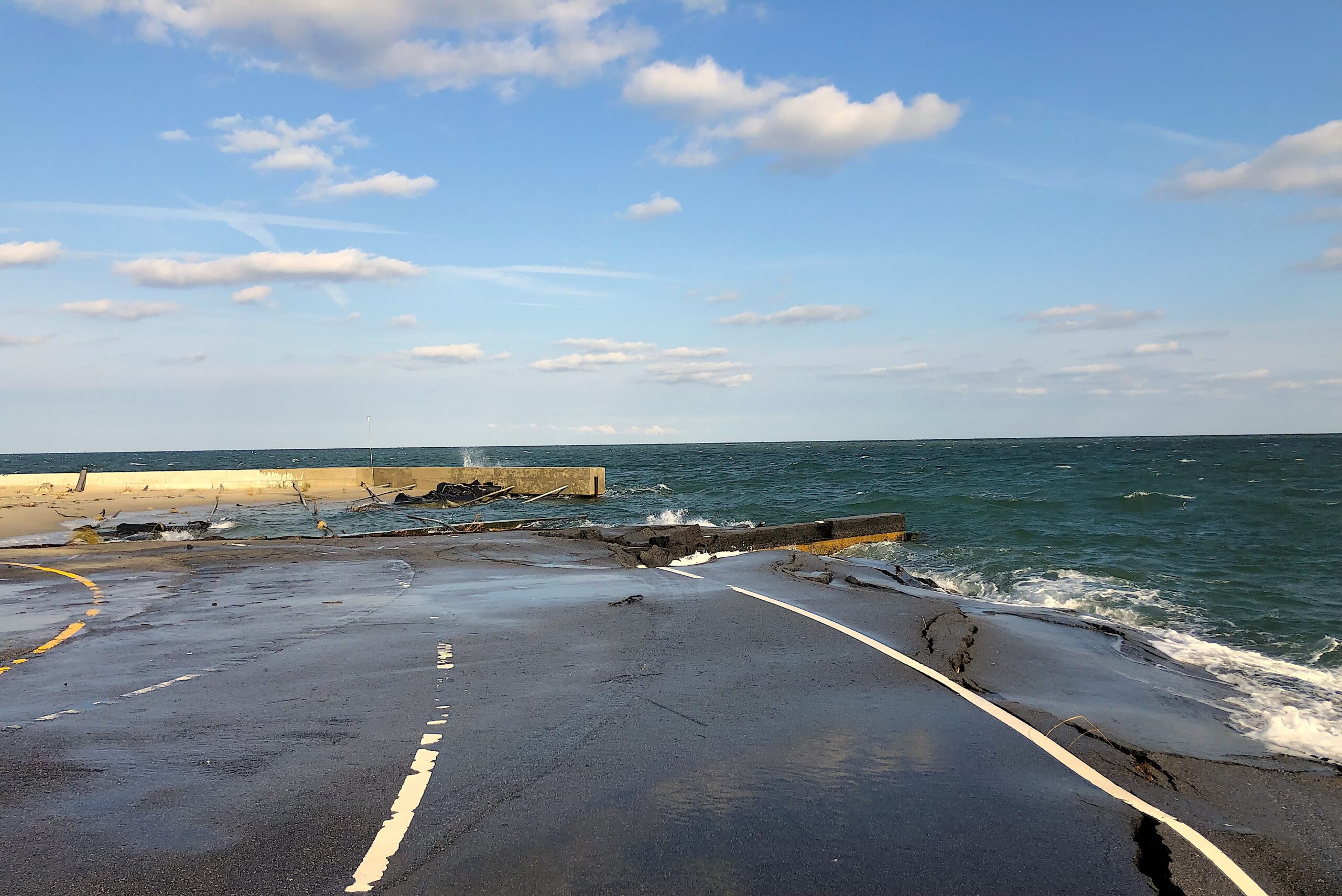
When stormwater ponds flood nearby yards and streets, the water can wreak havoc — carrying oil, fertilizers, pet waste, and more.
Retention ponds are one of the most common approaches to control stormwater. “Wet ponds” — which have a permanent pool of water in them — provide an aesthetically pleasing and environmentally beneficial solution to excess runoff.
When stormwater collects in a retention pond, the waterflow slows down, allowing sediment, pollutants, and nutrients to settle to the bottom before water joins a nearby stream or river. This momentary pause protects our natural waterways from the effects of nearby development. Aquatic plants in and around the pond pull phosphorus and nitrogen from the water, helping to prevent harmful algal blooms.
However, mismanaged retention ponds can cause severe flooding — for instance, when sediment or leaves collect in front of an outlet drain and cause the water level to rise rapidly. And, as precipitation events continue to increase in intensity and frequency, retention ponds are flooding more often.

“Most stormwater ponds were built before the surrounding areas were fully developed,” says Savannah Roth, a doctoral researcher in biological and agricultural engineering at NC State University and a joint fellow with North Carolina Sea Grant and NC Space Grant. “They’re too small for the amount of water that they’re taking in, which means they overflow a lot and aren’t treating the runoff as well as they should.”
When stormwater ponds flood, they can wreak havoc on the surrounding ecosystems and communities. The floodwater can carry car oil, fertilizers, and pet waste into nearby yards and streets, and introduce these pollutants, untreated, into downstream waters. Additionally, the floodwaters can strip topsoil and kill the ground-covering plants that hold the soil in place — leaving the surrounding land even more vulnerable to erosion and flooding the next time it rains.
“Stormwater management, and especially maintenance, is so important,” Roth says. “But it’s especially taxing on smaller communities.”
Real-Time Solutions
Although traditional solutions to stormwater pond flooding entail widening or deepening the ponds, Roth says both are too costly for many municipalities, and obstacles such as property lines or existing pavement often block expansion.

“In the past ten years, the stormwater industry has tried to find ways to improve the ponds that we already have, as there are thousands of them and they destroy our ecosystems when they are mismanaged,” Roth says. “So, my project is working to make them ‘real-time controlled.’”
Real-time control systems rely on current data to adjust and optimize the retention pond’s flow.
“My system uses openly available weather forecasts from NOAA and looks ahead a few days,” Roth explains. “If there is a storm predicted to be coming in, it triggers the system to begin calculating how much runoff the pond will expect to get from that storm and drains the pond in a slow and controlled manner before the storm hits.”
Adjusting the water prior to a storm means that the older, treated water drains from the pond and makes space for new, polluted runoff. Not only does controlling the water level like this prevent flooding, but according to Roth, it also slows the treatment of newly collected stormwater, which increases the amount of sediment and nutrients that settle out.

“The sensors in the system also alert maintenance professionals when the ponds need to be maintained,” says Roth. She adds that this is a “game changer,” especially for smaller municipalities with limited maintenance staff.
In addition, because Roth’s system uses publicly available information from NOAA and low-cost sensors, the cost of implementing her system is much lower than similar technologies that rely on proprietary systems.
“A typical commercial system can cost tens of thousands of dollars to install,” Roth says, “whereas my system costs around $5,000.” Plus, commercially available systems often require municipalities to pay an additional subscription fee for third-party monitoring.
Extension and Collaboration
Roth’s work encompasses more than developing a control system. As part of NC State University’s Stormwater Engineering Group, she works collaboratively not only to develop solutions to stormwater management problems but also to educate professionals in the field.

“We host a few workshops each month to teach about our projects and gather feedback from people across the state about various stormwater issues,” says Roth, one of six regular presenters in the group.
This fall, the group will host a sold-out workshop on real-time control.
“It’s not just building a system and handing it off,” Roth says. “We’re getting feedback from the maintenance professionals who’ll be running the system day-to-day and showing them how to implement it themselves. A lot of them are struggling with managing these stormwater ponds and just how much damage they can cause. So, it’s great to talk with them and see them excited for the potential this system has.”

In addition to the workshop, Roth is also publishing a series of free, digital guides on how municipalities can build their own system.
Meeting More Than Just “Big City” Needs
In the small town of Wilson, North Carolina, Roth has been able to survey and collect data from three different ponds to establish a clear baseline measure of the water quality, before installing real-time control systems for those same ponds and then monitoring their water quality for a year.
Roth will measure the amount of sediment, as well as phosphorus and nitrogen levels, to evaluate the differences in water quality, while also monitoring the water level and peak flows to assess how well the systems can prevent flooding.
“Dampening peak flows will also help improve water quality even more,” she explains, “because when you have fewer really fast erosive flows, you have less sediment both in the pond and downstream.”

Throughout testing, Roth will continue to work closely with the City of Wilson’s maintenance professionals.
“Being able to partner with maintenance professionals from the smaller municipalities and take into account their needs, and not just the big city needs, is really important if we want to have the best water quality health across the entire state.”
See Also
NC State University Stormwater Engineering Group
Guides for Implementing Real-Time Control
“From Streets to Sea: Addressing Stormwater Runoff”
“Safeguarding Water: Legislative Gaps and Innovative Solutions”
“Filters of the Future: An Innovative Treatment for Stormwater Runoff”
lead photo credit: NC State Stormwater Engineering Group
Lily Soetebier is a contributing editor for Coastwatch and an award-winning science communicator at North Carolina Sea Grant. She holds an M.S. in technical communication from North Carolina State University.
- Categories: