2026 STEM Policy Fellows Begin NC Service
This year, seven North Carolina STEM Policy Fellows will take on year-long roles at high-level state offices. The fellowship program provides recent graduates with in-state, non-academic career opportunities that focus on science, technology, engineering, or math (STEM).
“We received a record-breaking number of applications this year, making this our most competitive selection process yet,” says Aman Kohli, research and program coordinator for North Carolina Sea Grant. “Ultimately, we selected seven outstanding fellows to place across our six host offices, marking our largest cohort to date. I am thoroughly looking forward to seeing the impact they will make.”
North Carolina Sea Grant administers the STEM Policy Fellowship Program, now in its seventh year, with a matching grant from the Burroughs Wellcome Fund, as well as support from the host offices.
“It is exciting to see how the fellowship continues to grow year after year,” says John Fear, North Carolina Sea Grant’s deputy director. “We are pleased to welcome another new host office this year — the NC Rural Center — which is a wonderful testament to the growing value our host offices find in the program.”
Fear adds that even more rewarding is how the fellowship is fulfilling its mission, “not only launching successful careers but helping our talented fellows secure employment and keep their vital expertise right here in North Carolina.”
In addition to their policy roles, professional development and networking opportunities are available to fellows through a partnership with Sigma Xi, the international honor society of science and engineering. Fellows will begin their professionalization with Sigma Xi through a policy workshop this summer.
Fellows are also offered monthly professional development opportunities from North Carolina Sea Grant throughout their fellowship year.
“By bringing science-backed expertise into our host offices,” says Kohli, “these fellows will provide invaluable support to help state offices tackle North Carolina’s complex modern challenges.”
The 2026 fellowship cohort includes students from North Carolina State University, North Carolina Central University, the University of North Carolina at Chapel Hill, East Carolina University, and the University of North Carolina at Charlotte.
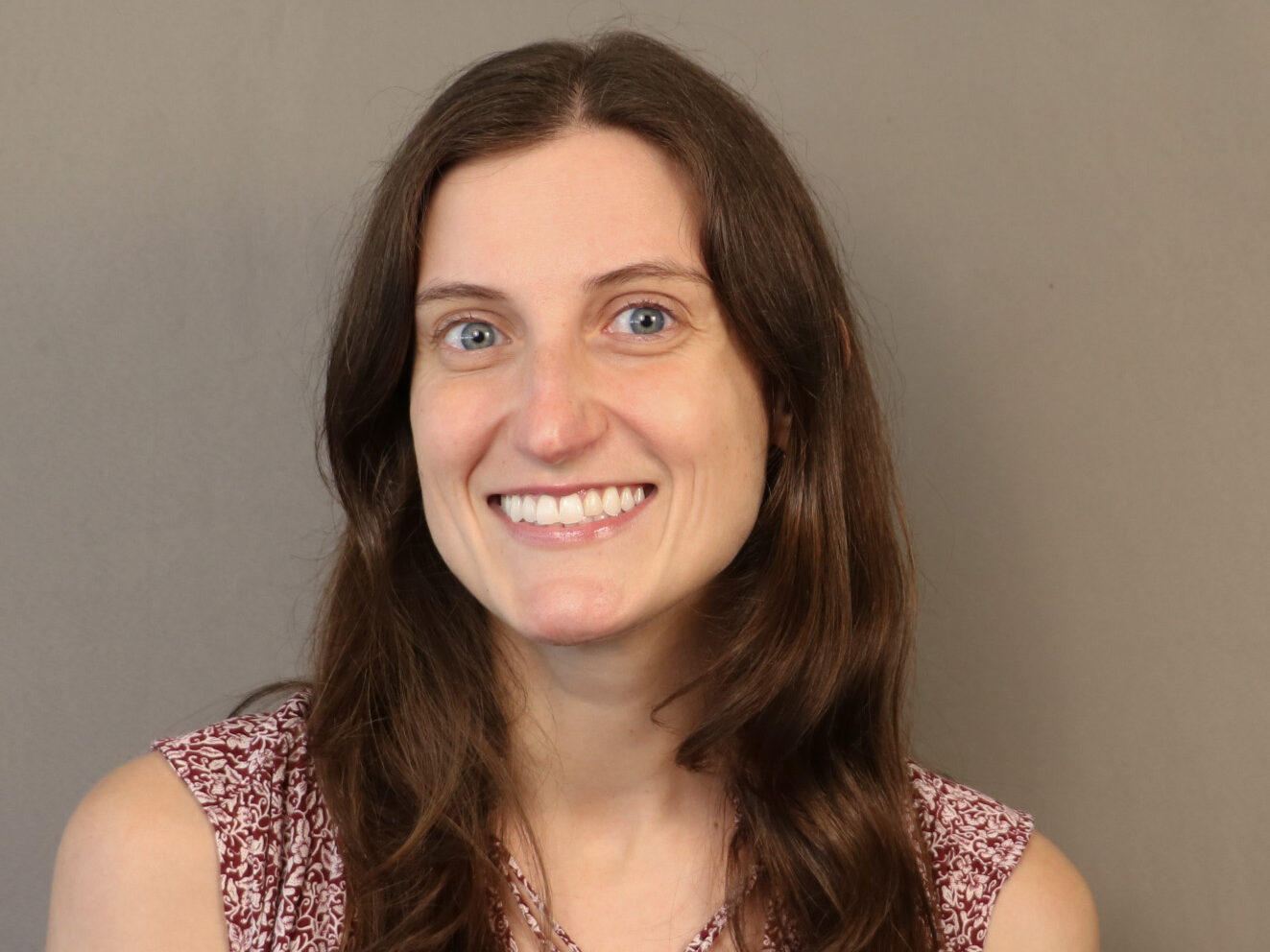
Riley Lawson holds a Ph.D. in biological and agricultural engineering from NC State University. Her research focused on developing “biosensors” that allow farmers to monitor nutrient levels in soil, and make informed, real-time decisions about fertilizer use. She will join the North Carolina Department of Commerce’s Office of Science, Technology & Innovation.
“I am looking forward to working with the NC Department of Commerce and taking a closer look at how the tech economy in North Carolina is assessed and managed,” says Lawson. “It will be exciting to have a front row seat to the decision making and provide my insight into how to help our state stay at the forefront of science and technology.”

Oluwatosin Ibrahim holds an M.S. in environmental, earth, and geospatial sciences from North Carolina Central University, where his research traced the damage left in the wake of Hurricane Helene. He will work with the North Carolina Department of Transportation.
“My research has focused on mapping floods with radar, GIS, and machine learning, but I’ve realized that producing accurate maps is only part of the solution,” says Ibrahim. “I’m excited to learn how scientific evidence is communicated to policymakers and transformed into decisions that protect people, infrastructure, and natural resources. This fellowship is an opportunity to connect rigorous science with meaningful public service.”

Nate Marsh holds a master’s of public policy from the University of North Carolina at Chapel Hill. Through his graduate research, Marsh examined five decades of policy, legislation, and regulatory changes for protected waters and wetlands. He also conducted an analysis of shellfish yields on Stump Sound to trace the impact of shifting policy on the state’s blue economy. As a fellow, he will join the Albemarle-Pamlico National Estuary Partnership.
“I’m excited to get hands-on experience in state level government and have an opportunity to do research on a topic I deeply care about,” Marsh says. “I’m most excited to see how my research into protecting our wetlands will help APNEP influence policy change.”

Naomi Pitts holds an M.S. in biological and agricultural engineering from North Carolina State University, where she evaluated the performance of existing stormwater infrastructure under shifting climate conditions and created actionable reports for state and municipal stakeholders. She will serve with the State Energy Office, under the North Carolina Department of Environmental Quality.
“I’m incredibly excited to begin this fellowship with the State Energy Office, because it brings together my passion for STEM and my desire to make a meaningful difference in communities across North Carolina,” says Pitts. “The opportunity to see how energy policy is developed and translated into real-world action is especially inspiring to me. I look forward to gaining hands-on experience, deepening my understanding of energy policy, and building the skills needed to help advance a more sustainable, resilient, and equitable energy future for the state.”

Hannah Walsh holds a master’s of biomedical sciences from the Brody School of Medicine at East Carolina University, where she researched infectious disease biology. Walsh will serve with the North Carolina Biotechnology Center.
“As a scientist, my long-term goal is to ensure that scientific knowledge is translated into opportunity for individuals, institutions, and communities, and I am honored to be able to contribute to this mission through my work with NCBiotech,” says Walsh. “I am most excited to give back to the community while gaining firsthand experience in how science, policy, and economic development intersect to drive innovation across North Carolina.”

Chase Pierce holds a master’s of public policy from the University of North Carolina at Chapel Hill. His graduate work focused on synthesizing insights from social scientists and policy researchers, with institutional analysis to create actionable recommendations for research policy. He will join the State Energy Office, under the North Carolina Department of Environmental Quality.
“I’m excited to deepen my understanding of energy policy, while gaining hands-on experience developing programs that make energy more affordable for North Carolinians,” Pierce says. “Having grown up in Murphy, North Carolina, I have seen firsthand how high energy costs can strain family budgets, and I’m grateful for the opportunity to help develop solutions that make a meaningful difference for communities like the one that shaped me.”

Caitlin BrabbleRose holds a Ph.D. in biology from the University of North Carolina at Charlotte. Her research focused on how organisms predict and adapt to rapid environmental changes in the intertidal zone. She will work with the North Carolina Rural Economic Development Center.
“As a North Carolina native, I am eager to work with the NC Rural Center on policy that impacts our rural communities,” she says. “I look forward to learning how to translate research into policy and effectively communicating those policies across NC communities.”
- Categories: