New Community Collaborative Research Projects Address Water Issues Across the State
Contact: John Fear, [email protected]
Local knowledge matters in understanding and solving community problems.The Community Collaborative Research Grant Program (CCRG) couples scientific expertise with local knowledge to foster collaboration between researchers and community members.
Administered by North Carolina Sea Grant and NC Water Resources Research Institute (WRRI), the CCRG Program in partnership with the William R. Kenan Jr. Institute for Engineering, Technology and Science (KIETS) has a long history of funding strong research based on community needs.
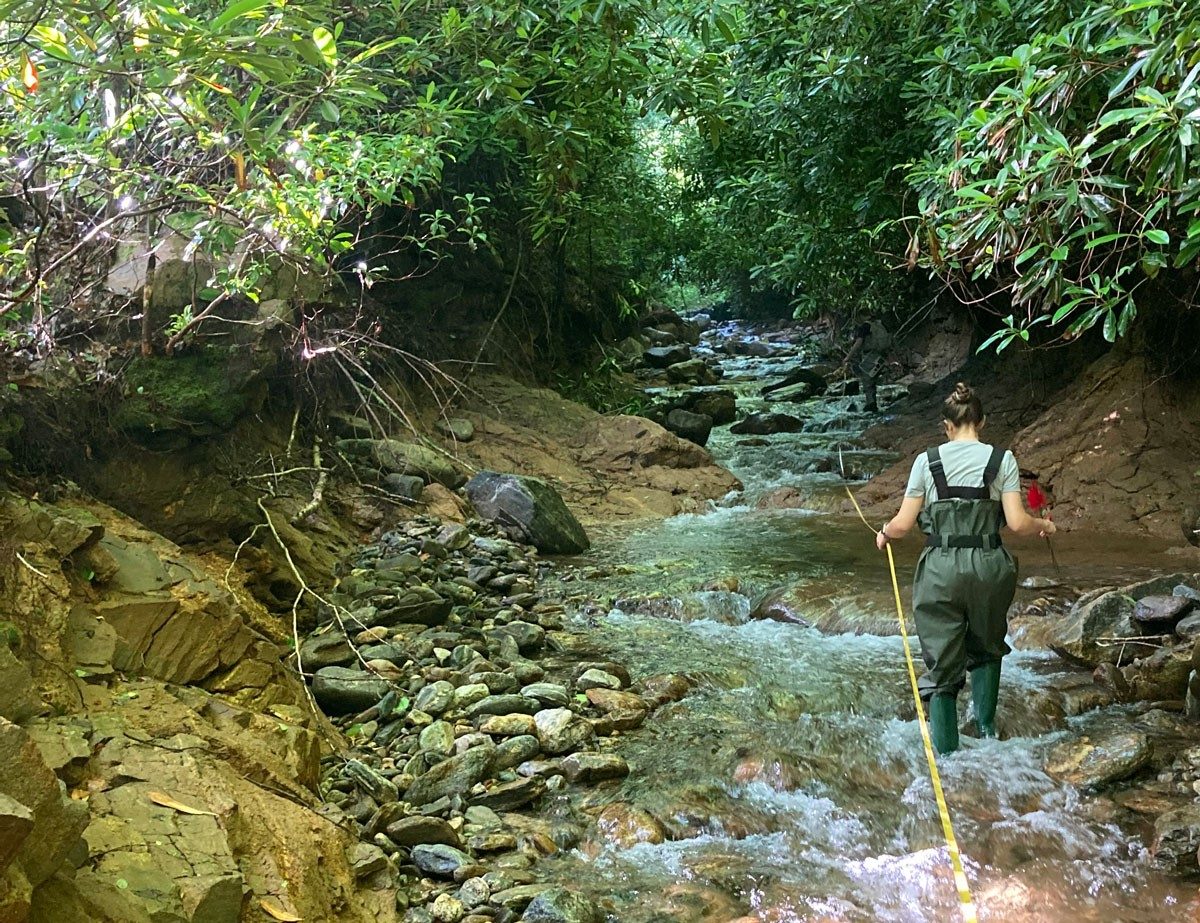
This year’s CCRG recipients are tackling pressing issues: the safety of drinking water systems, PFAS sources, community exposure to cyanobacteria harmful algal blooms, and the efficacy of nature-based solutions for American Oystercatcher habitat.
Community-Driven Solutions to Strengthen Private Drinking Water Systems in Western North Carolina after Hurricane Helene
PI: Jacqueline Gibson, North Carolina State University
Co-PI: Brandon Pitman, NC Cooperative Extension Mitchell County Center
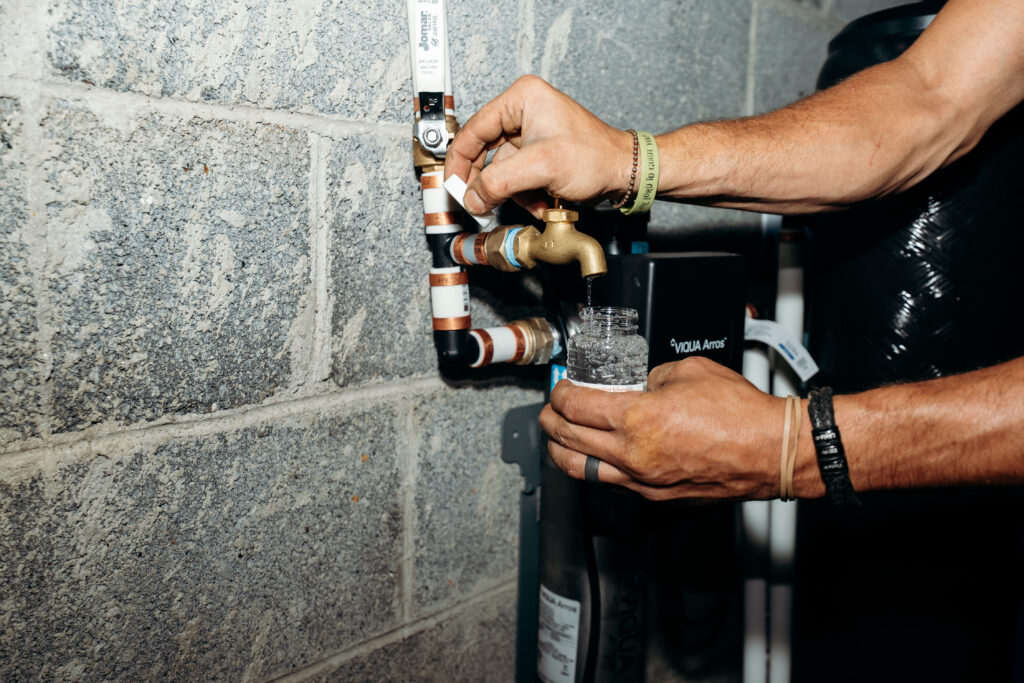


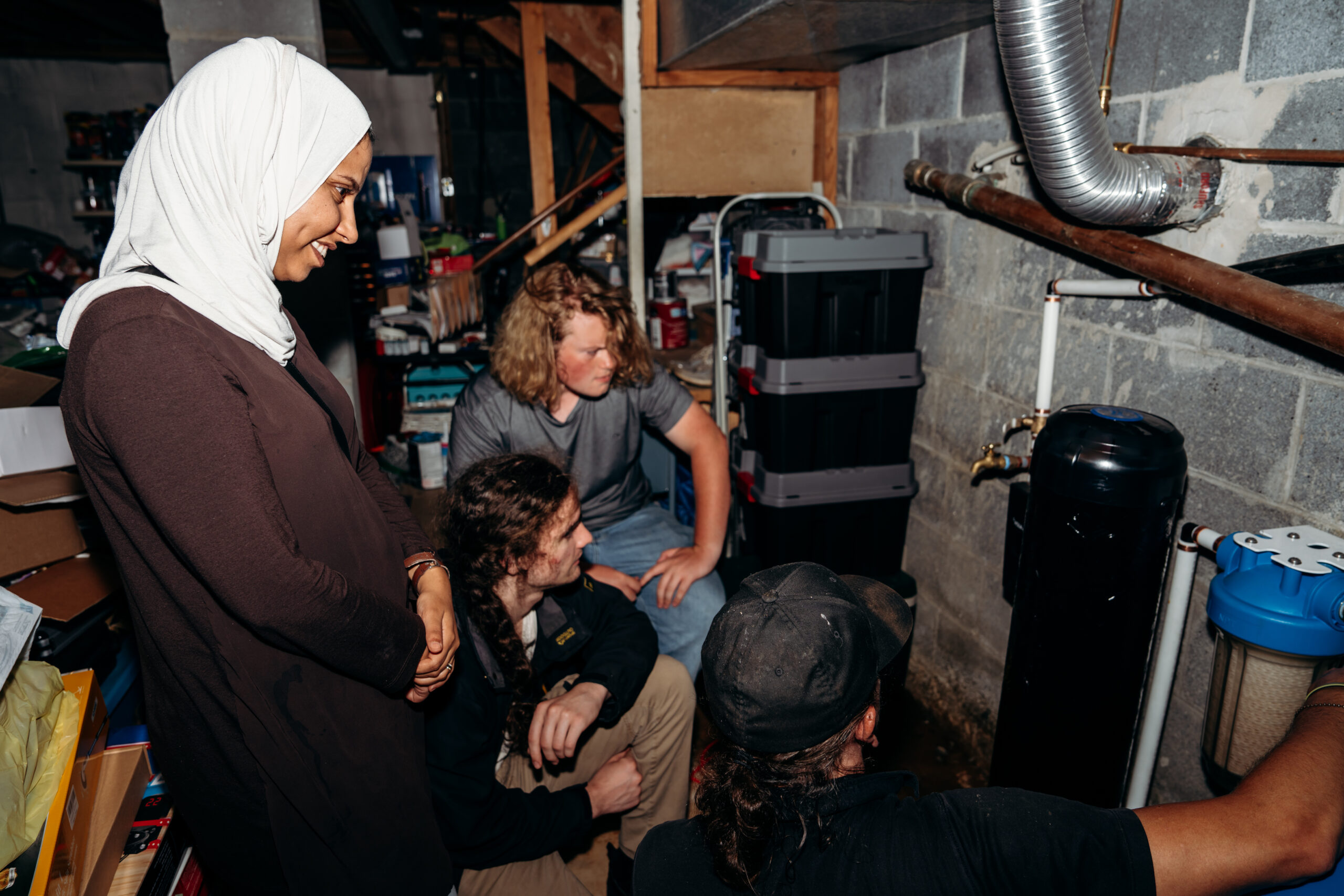
In the wake of extreme weather events like Hurricane Helene, North Carolina faces a critical but often overlooked challenge: ensuring safe drinking water for households that rely on private wells and spring-fed systems. Gibson and Pitman’s project moves beyond identifying contamination to implementing community-driven solutions. These solutions include repairing private water systems to decrease vulnerability to contamination during and after extreme events, installing household water treatment systems to remove any contaminants that infiltrate the system, and updating technical guidance for stewardship of private well and spring systems.
“This project will improve drinking water safety and public health for western North Carolinian residents relying on private wells and springs while building local capacity to respond to future water infrastructure disruptions,” says Gibson. “The work also provides a scalable model to support disaster recovery for households across the state relying on private water systems.”
A PFAS Investigation: Forensic Analysis of Sources and Understanding Risk Perception of an Impacted Community in Swepsonville, North Carolina
PI: Meredith Hovis, UNC Wilmington
Co-PI: Emily Sutton, Haw River Assembly


PFAS exposure remains a source of concern for North Carolina residents. Hovis and Sutton’s project will investigate the sources and movement these “forever chemicals” in private drinking water wells near a former landfill in central North Carolina while also working with residents to better understand their concerns and information needs. By combining advanced water quality science with community-engaged research, they hope to improve both contaminant source identification and communication about PFAS risks.
“This project will help North Carolina communities better understand where PFAS contamination comes from and provide information that can support safer drinking water and more informed decisions,” says Hovis. “By bringing together water quality science and community engagement, the research will help residents, regulators, and local organizations respond more effectively to PFAS contamination and strengthen public understanding of environmental risks.”
Empowering Coastal Communities with Data-driven Tools to Reduce Exposure to Cyanobacteria Harmful Algal Blooms
PI: Lisa Satterwhite, Duke University
Co-PI: Colleen Karl, Chowan Edenton Environmental Group
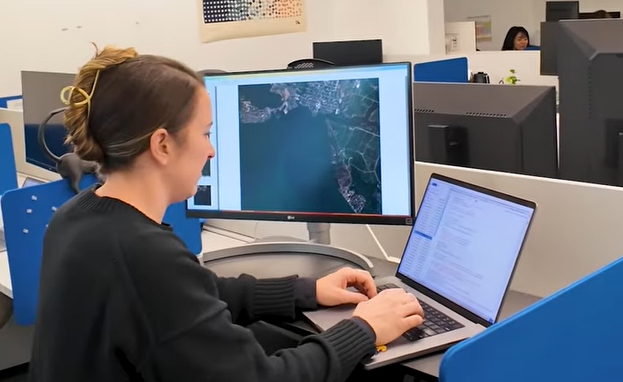
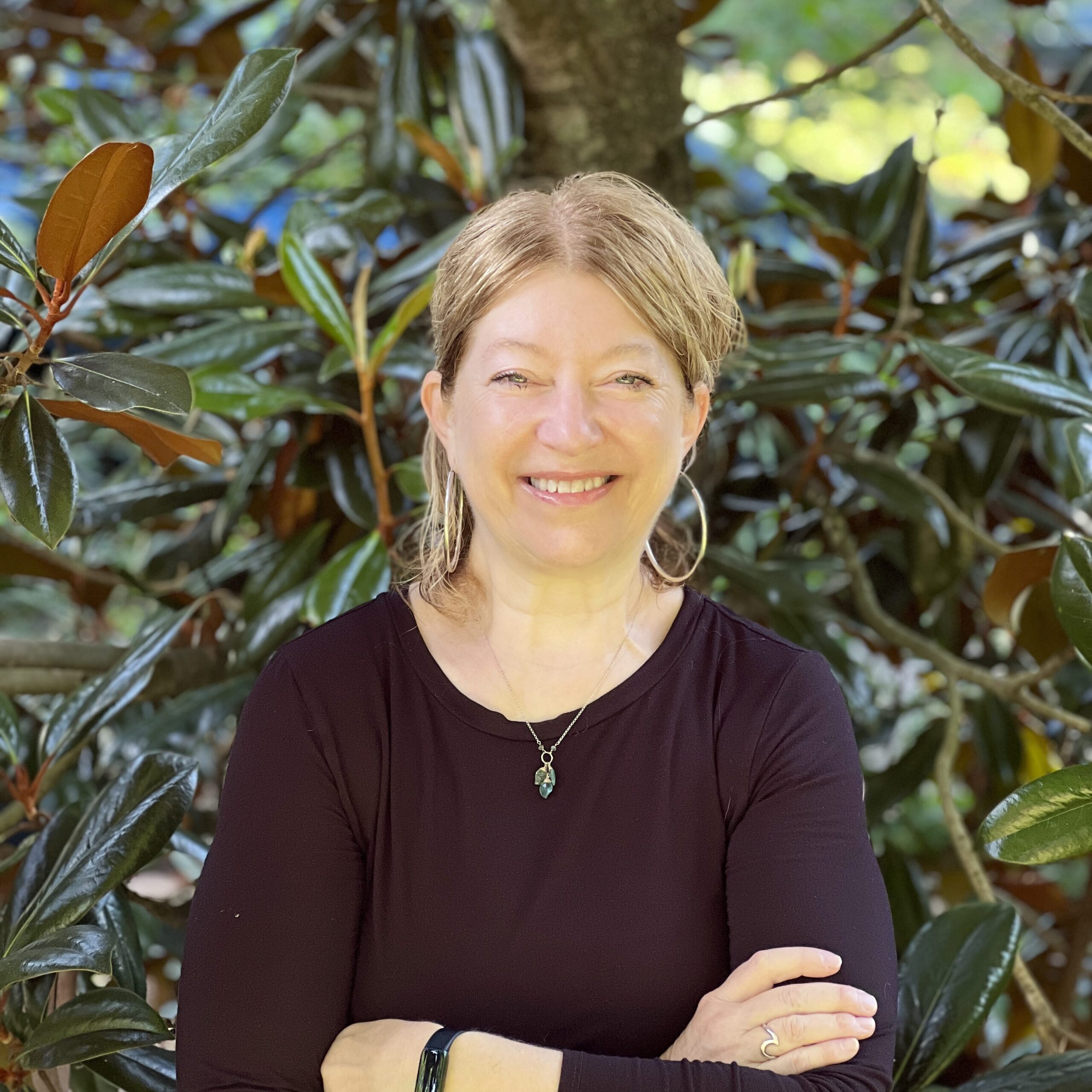

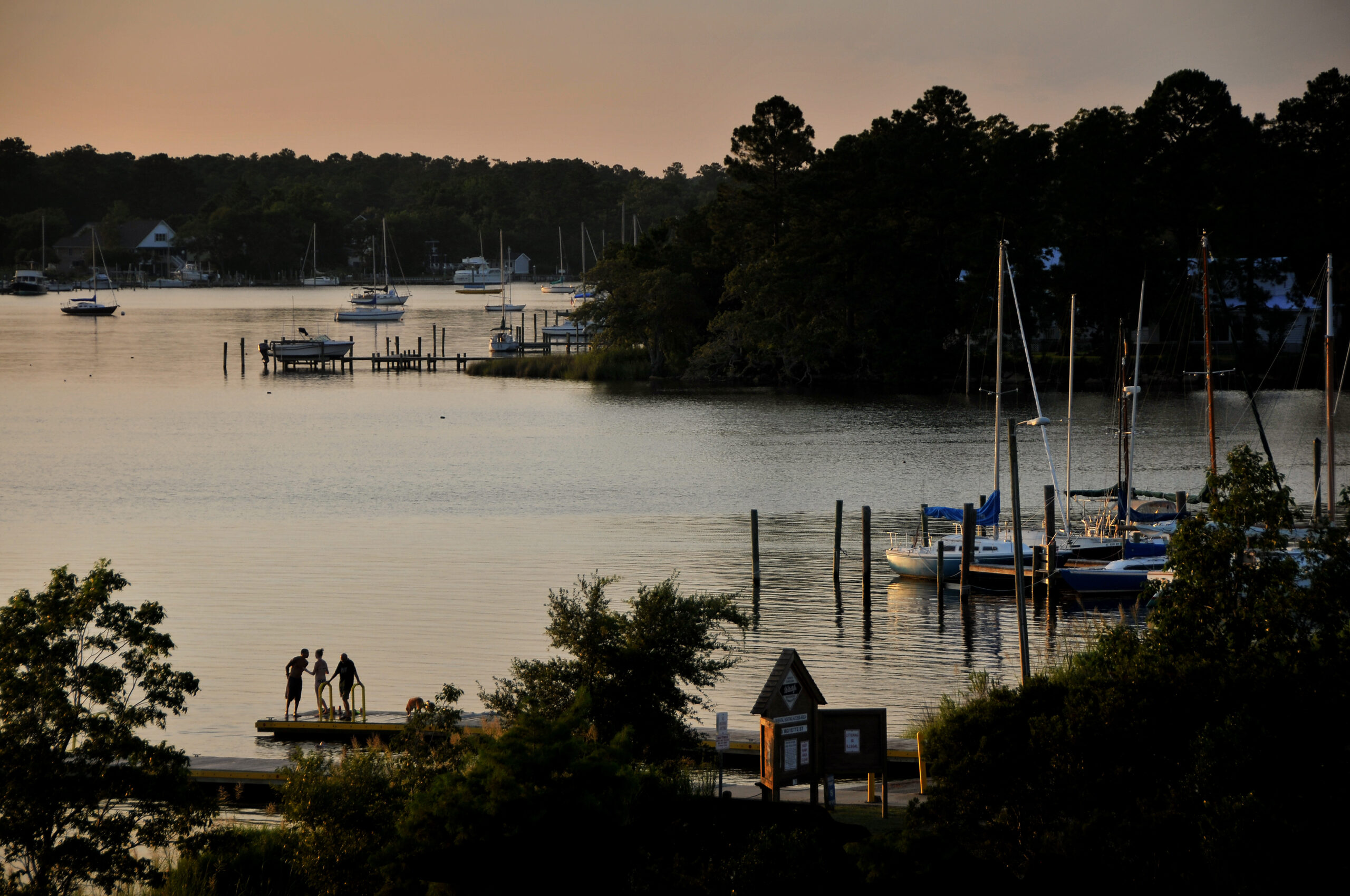
Harmful algal blooms pose human and pet health risks and limit recreation and fishing opportunities. Clear alert systems are needed for coastal communities to understand the risks. Satterwhite and Karl will work with NC northeastern coastal communities to provide daily high-resolution satellite imagery of tributaries to the Albemarle Sound as part of an alert system. By combining the area’s first regional water testing laboratory for near same day knowledge of cyanotoxin levels and geographic location of Cyanobacteria harmful blooms, these data-driven tools will allow communities to safeguard their own health.
“Our work will develop strategies to support ecosystem health for recreation and fisheries all through the beautiful NC coastal plain that will be translatable across the state,” says Satterwhite. “We began with Albemarle Regional Health Services to address a troubling high prevalence of amyotrophic lateral sclerosis (ALS) in the Albemarle Sound region and are now developing tools specifically to reduce exposure to possible environmental contributors.”
Evaluating Nature-Based Solutions for American Oystercatcher Habitat Using High-Resolution Imagery in the Lower Cape Fear River
PI: Marae West, Sandbar Oyster Company
Co-PI: Lindsay Addison, Audubon North Carolina
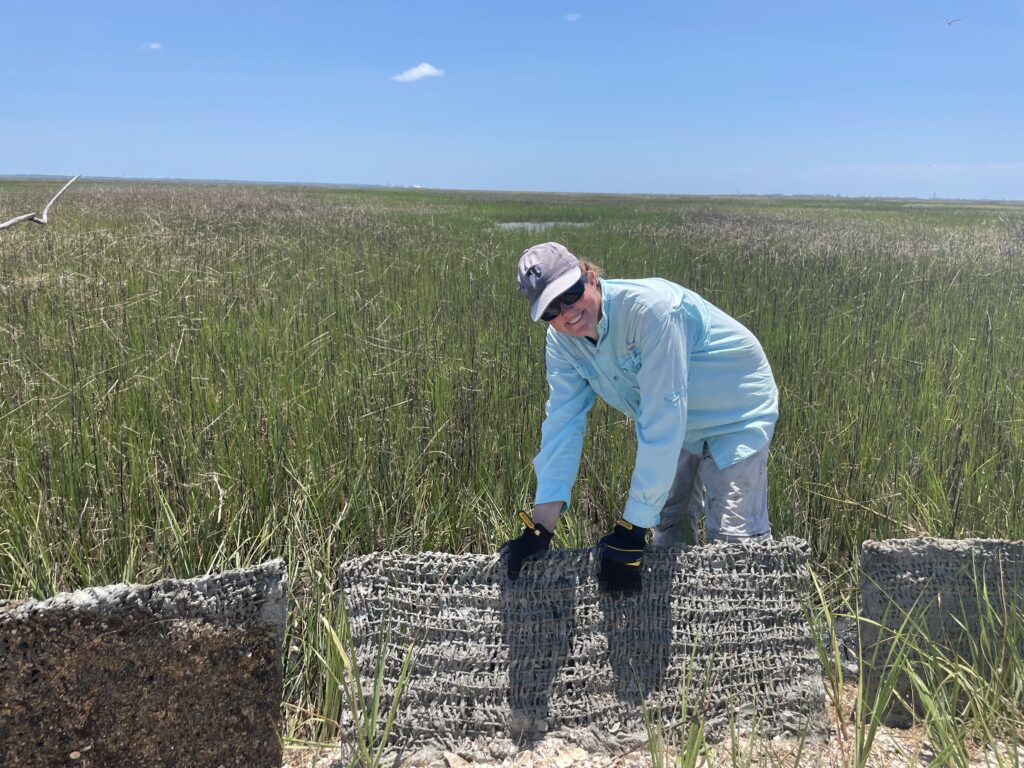

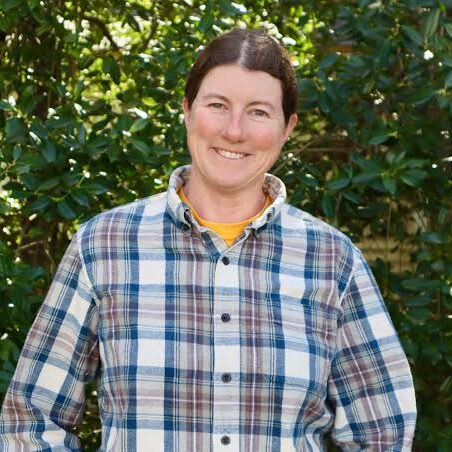
The Lower Cape Fear River hosts about 27% of North Carolina’s nesting American oystercatcher (Haematopus palliatus) pairs, a Species of Greatest Conservation Need whose productivity has fallen sharply as storms degrade their nesting habitat. West and Addison’s project tests whether nature-based solutions — a living shoreline and “backstops” — can stabilize degraded oyster-shell rakes that serve as critical nesting habitat for American oystercatchers in the Lower Cape Fear River. This research addresses storm-driven habitat loss with a longer-term engineering approach rather than simple shell replenishment. The team will use these installations to identify the elevation thresholds needed for nesting success and develop a low-cost protocol other site managers can replicate.
“This project directly supports North Carolina Sea Grant’s nature-based solutions goals, uniting local scientific and business expertise to produce practical tools —cost/feasibility guidance and monitoring protocols — that North Carolina resource managers can use to protect coastal habitat,” says West.
- Categories: