Coastwatch Covers NC’s $100-Million Goal for Farmed Shellfish — and Much More
The Winter 2026 Issue from North Carolina Sea Grant
The Winter 2026 issue of Coastwatch magazine explores North Carolina’s $100-million goal for the state’s farmed shellfish industry, new strategies for supporting NC middle schoolers struggling with upheaval, the Rachel Carson Reserve’s shifting shorelines, landfill leaks in coastal watersheds, the costs of wetland loss, new solutions for coastline protection, and much more.
Inside the new issue:
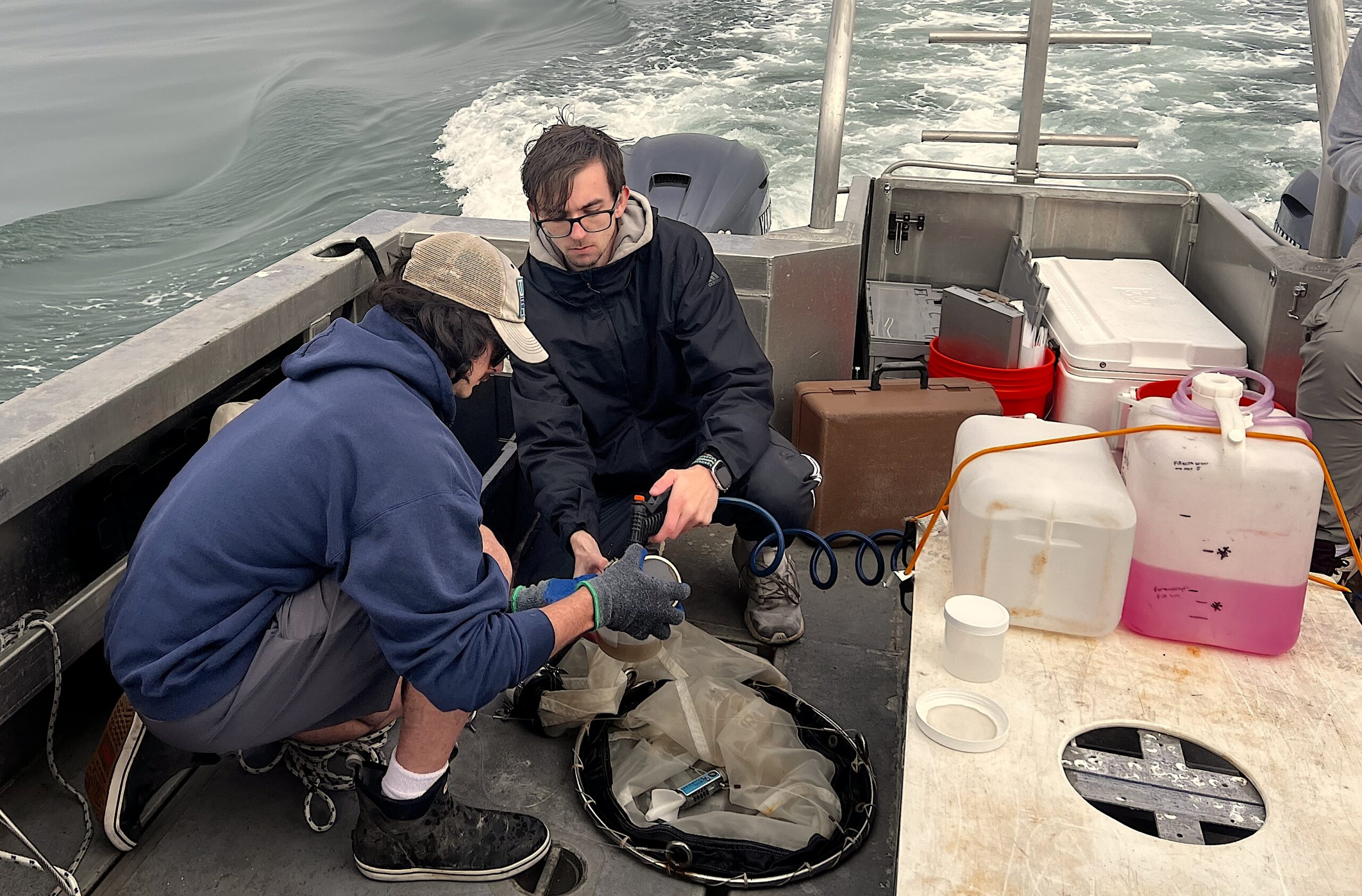
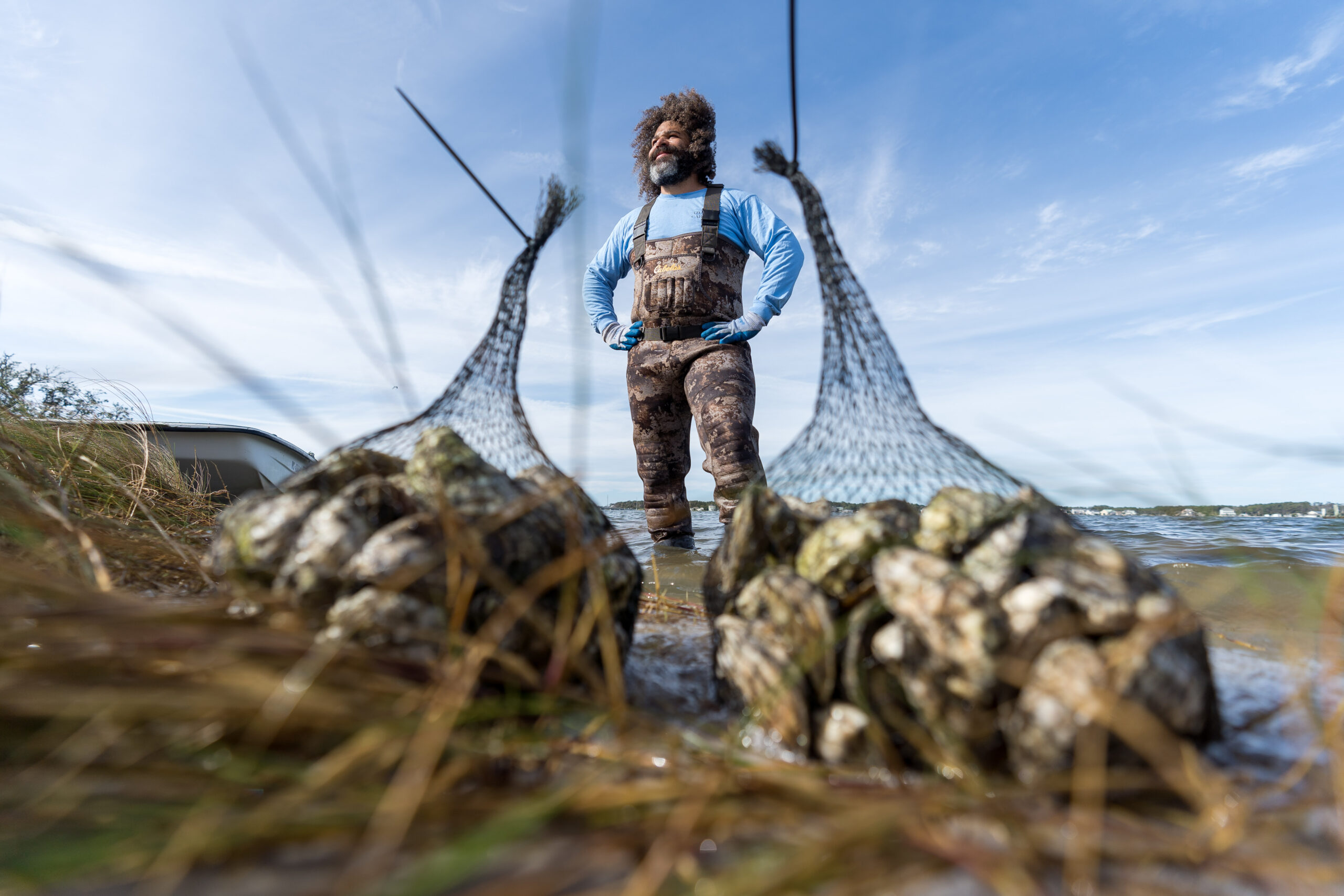
North Carolina Sea Grant and the NC Coastal Federation are collaborating on a bold project to accelerate growth of the state’s farmed shellfish industry in order to hit a $100-million target for the sector’s overall economic impact.
Two hurricanes and a global pandemic exposed a need to support students struggling with upheaval. Researchers at NC State and Duke collaborated with educators and others on a Sea Grant project to guide middle schoolers through turbulent times.
What will it cost New Bern to lose 60% of its wetlands? A new study from North Carolina Sea Grant’s first Coastal Resilience Team Competition winners shows that preserving inland areas may also help prevent the decline of environmental benefits as open water claims coastal wetlands.
Why is North Carolina’s blue crab population decreasing? North Carolina Sea Grant and partners investigated clues from before and after the numbers began to shrink.
A Mountains to Sea fellow with Sea Grant and the Water Resources Research Institute is measuring landfill leaks in the Neuse and Tar-Pamlico watersheds.
And the new Sea Grant and Coastal Reserve Research Fellow is studying the effects of oyster farms on shorelines — which could inform lasting, nature-based solutions for our coast.
Plus:
The award-winning Hook, Line & Science series tells how to tell a fish’s age — and why it matters.
Would a humpback whale pass a basic human eye test?
A good old-fashioned ghost story from Edenton.
Video of the first colossal squid sighting in its natural habitat in the Sandwich Islands.
We also have the latest news and updates on three annual conferences, a new webinar series on eco-friendly plants, and an open call for proposals for STEM Policy fellowships.
And we remember former North Carolina Sea Grant director B.J. Copeland.
Coastwatch will return in print and online in April for the Spring 2026 issue. All issues are available at no cost at ncCoastwatch.org.
###
Much of the content in Coastwatch is available to republish.
Email dmshaw@ncsu.edu.
North Carolina Sea Grant has published Coastwatch magazine since 1979.